
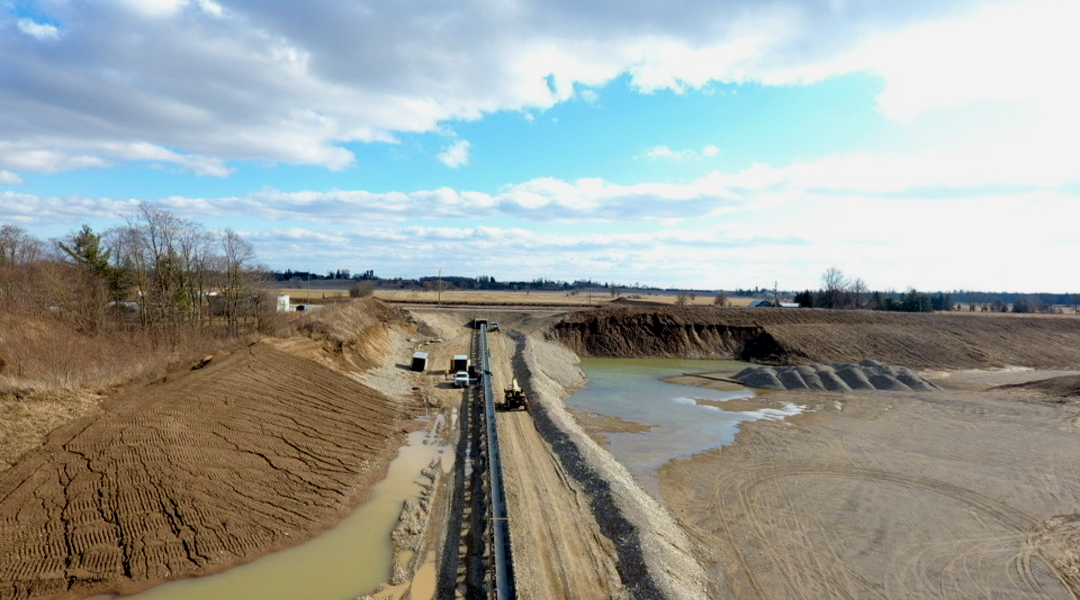
Are constant conveyor breakdowns, unplanned maintenance stops, and corroding structural frames eating away at your plant’s operational profitability? Heavy industrial operations across aggregates, mining, and recycling cannot afford bottlenecks. Unplanned downtime directly erodes margins while creating safety hazards for technicians and operators.
Achieving peak operational throughput requires moving beyond reactive fixes. Modern operations demand durable bulk material handling systems designed for longevity, ease of installation, and reliability. This guide analyzes how proactive engineering, corrosion protection, and smart design choices preserve capital and protect teams on the floor.
The Core Challenges in Heavy Material Handling
Industrial processing environments place intense mechanical and environmental stress on equipment. Whether handling abrasive aggregate, corrosive recycled scrap, or high-volume ores, standard conveyor systems typically fail in predictable ways:
- Premature Structural Corrosion: Painted carbon steel components deteriorate rapidly in moist, outdoor, or chemically aggressive environments, requiring costly rehabilitation within 5 to 10 years.
- Complex, Dangerous Maintenance Routines: Poorly situated inspection points and awkward guard setups delay routine checks and increase injury risks for millwrights.
- Installation Downtime: Stick-built or non-modular setups require prolonged field welding and modifications, halting plant production for weeks.
- Unscheduled Component Failure: Standard pulleys, idlers, and drive assemblies lacking site-specific engineering fail unpredictably under surge loads.
Key Comparison: Standard Fabricated Systems vs. KREATOR
Evaluating material handling equipment requires a side-by-side assessment of upfront costs versus real lifecycle performance. Modular, engineered solutions fundamentally change long-term project economics.
Lifecycle and Operational Comparison Framework
To evaluate potential capital investments, operations managers must evaluate both installation impact and decades-long wear. The following matrix illustrates key differences:
- Corrosion Resistance: Standard systems rely on shop paint or basic powder coat (5 to 8 years before significant rust), whereas modular systems utilizing hot-dipped galvanized steel deliver 40+ years of maintenance-free structural protection.
- Engineering Approach: Traditional options supply catalog equipment adapted retroactively; integrated systems utilize site-specific 3D design to eliminate pinch points and layout conflicts before fabrication.
- Safety and Compliance: Conventional guarding often requires custom site adaptations that slow access. Built-in, ergonomic safety guarding ensures straightforward compliance and fast service access without sacrificing worker safety.
- Turnkey Execution: Fragmented projects divide design, fabrication, and millwright work among multiple vendors, shifting risk to the buyer. Turnkey solutions integrate design, delivery, and installation under one accountable partner.
Total Cost of Ownership (TCO) Analysis
Equipment procurement often focuses on initial purchase price. However, unplanned downtime and recurring replacement fabrication drive the majority of lifecycle expenditures.
| Cost Driver | Standard Painted Conveyor (15-Year Horizon) | Hot-Dipped Galvanized Modular System (15-Year Horizon) |
|---|---|---|
| Initial Capital Outlay | Baseline investment | 10% to 20% initial premium |
| Site Installation Labor | High; field modifications, welding, and alignment delays | Low; pre-engineered, modular components fit rapidly |
| Repainting & Structural Remediation | Substantial; requires regular sandblasting and repainting | Zero structural recoating needed (40+ year zinc alloy protection) |
| Downtime During Maintenance | Frequent; slow guard removal and unoptimized access points | Minimal; quick-access panels, standardized modular spares |
| Net 15-Year Financial Impact | High overall cost due to ongoing labor and lost tonnage | Significantly lower total cost of ownership; maximum uptime |
Designing for Operational Reliability and Safety
Reliability is designed from the ground up, not inspected in at the end. High-performing bulk material handling operations focus on several foundational design principles:
1. Hot-Dipped Galvanization for Long-Term Durability
Surface coatings act as a primary barrier against moisture and industrial elements. Hot-dipped galvanized components create a metallurgical bond between steel and zinc, yielding a self-healing barrier against abrasions. This protection ensures continuous operation in severe Canadian and North American climates without structural degradation.
2. Ergonomic, Safe Guarding Solutions
Safety guarding should protect personnel without creating operational friction. Systems designed with ergonomic, easy-to-remove safety screens reduce inspection times, eliminate unsafe workarounds, and align with rigorous workplace safety standards.
3. Turnkey Integration from Concept to Commissioning
When design engineers, fabricators, and millwright supervisors collaborate within a single operational workflow, field surprises disappear. Turnkey project management ensures equipment arrives on site ready to bolt together, dramatically reducing plant disruption.
Frequently Asked Questions (FAQ)
How does modular material handling reduce site installation timelines?
Modular systems are fully detailed in 3D modeling environments and pre-assembled in factory conditions. Field teams bolt modular assemblies into place without extensive on-site cutting, fitting, or structural welding, cutting installation downtime significantly.
Why choose hot-dipped galvanizing over high-performance paint?
Industrial paint systems provide only a topical barrier that flakes or scratches during heavy bulk handling. Hot-dipped galvanizing chemically bonds with the steel base, preventing rust creep and providing up to 40 or more years of maintenance-free performance, even in outdoor aggregate and mining settings.
Can customized conveyor sections integrate with existing plant layouts?
Yes. Custom engineering accounts for your existing transfer points, bin configurations, and footprint constraints. Site-specific 3D scanning and layout planning ensure new modular additions interface seamlessly with legacy plant equipment.
Upgrade Your Plant Efficiency with Expert Engineering
Eliminate recurring downtime and build for decades of uninterrupted performance. Our proactive engineering team partners with plant managers and operations leaders across North America to deliver custom, reliable, and turnkey bulk material handling infrastructure.
Ready to evaluate your current setup or plan your next facility upgrade? Discover our specialized services and contact our team today to schedule a detailed technical consultation.
