Designed for Performance: The Foundation of Aggregate Conveying
In the aggregate industry, a conveyor system is more than just a means of moving material. It is the literal heartbeat of your operation. When production targets are tight, your choice of equipment determines whether you hit your throughput goals or are impacted by costly downtime. Specifying a conveyor system requires a shift from viewing equipment as a commodity purchase to treating it as a long-term strategic asset. At Kreator, we advocate for a turnkey approach where every component is designed to work in concert with the surrounding environment, reducing complexity and ensuring that your investment delivers reliability from day one.
This guide provides project leaders and decision-makers with a roadmap to navigate the specification process. By understanding the critical variables of material flow, structural integrity, and operational safety, you can cut through the noise of generic offerings to secure a tailored system that survives the toughest terrain and site conditions. Whether you are expanding an existing plant or building from the ground up, the right specifications form the foundation of operational success.
1. Defining Material Characteristics and Throughput
Before you contact a manufacturer, you must define the lifeblood of your operation: the material itself. The physical properties of your aggregate significantly influence the design parameters of your conveyor. A system designed for lightweight, dry sand will fail prematurely if tasked with hauling abrasive, high-moisture, high density products.
- Material Density: Essential for calculating motor sizing and structural load requirements.
- Abrasiveness and Hardness: Determines the specific belt grade and type of chute liners to be selected.
- Moisture Content: Impacts friction coefficients, maximum conveyor inclination, and the requirement for specific belt scraping solutions.
- Maximum Lump Size: Dictates belt width and the impact loading capability of the transfer points.
Once you define your material, set your throughput goals. Avoid over-specifying for “blue-sky” scenarios that never occur, but build in enough overhead to handle expected growth. For modular options, explore our professional conveyor systems designed for scalable throughput.
2. Site Layout and Structural Mobility
Terrain determines the technology. Are you operating in a fixed, high-tonnage plant, or does your operation require the flexibility of a mobile setup? Fixed conveyors allow for robust, permanent foundations, while mobile units demand high-strength, balanced frames that can handle irregular and changing ground conditions without losing alignment.
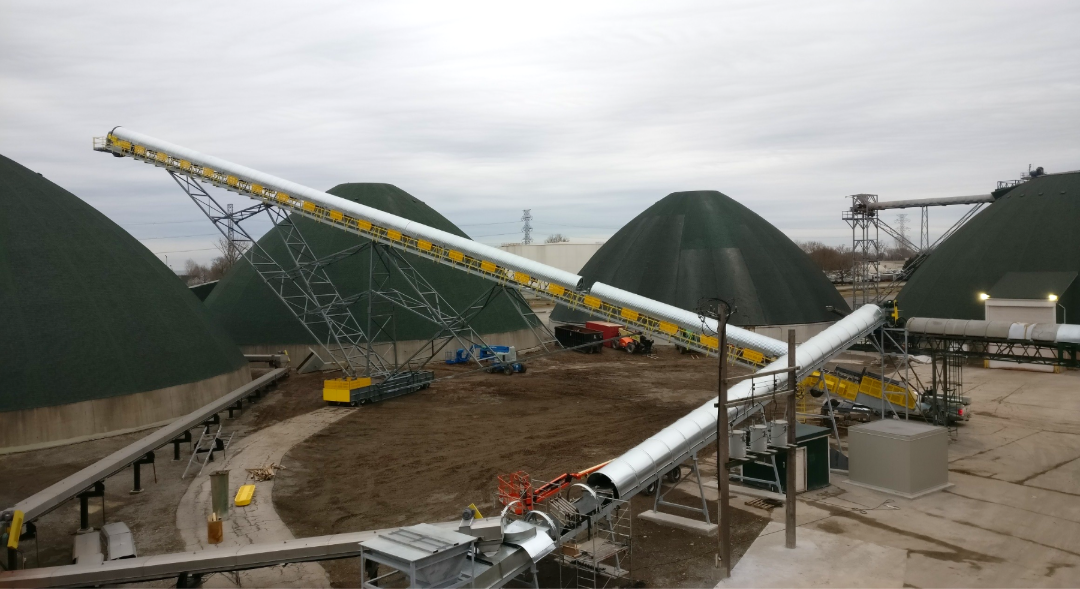
Assess your site for bottlenecks. Identify the precise loading and discharge heights needed to feed ancillary equipment like crushers or to build stockpile piles. If you are handling large volumes, our radial stacker solutions provide the footprint-efficiency required to maximize storage capacity without constant repositioning.
3. Engineering for Durability and Maintenance
Operational reality is often at odds with theoretical engineering. Reliability comes from anticipating the strain of 24/7 cycles. Seek systems that feature modular innovation, allowing for individual component upgrades without the need for a full teardown. Look for heavy-duty idlers, precision-aligned drive systems, and high-impact loading zones reinforced with replaceable liners.
Maintenance access is frequently overlooked until the first breakdown occurs. Ensure your spec requires adequate catwalks, access points, and service platforms. If your technicians cannot safely and easily reach a pulley or a belt scraper, they will not service it at the required intervals, leading to avoidable failure.
4. The Specification Checklist for Buyers
Use this internal checklist to prepare your RFP or technical brief for a manufacturer. Maintaining clear specs early in the project prevents the design creep that drives up costs and delays delivery.
- Design Basis: Define tonnage per hour (TPH), material type, and density.
- Operational Environment: Note temperature extremes, dust exposure, and potential for corrosive elements.
- Structural Needs: Specify the required stacker length, belt width, and maximum incline angle.
- Power Requirements: List available electrical infrastructure and site connectivity constraints.
- Safety Standards: Detail specific local and federal safety requirements, including emergency pull cords and guarding.
- Control Systems: Identify if you require local manual controls or integration into an existing centralized PLC.
- Timeline and Logistics: Define the desired lead time and expected delivery stages, prioritizing turnkey installation support.
5. Safety and Environmental Considerations
Safety is not a feature; it is a prerequisite. In an environment dominated by heavy equipment and moving components, minimizing human exposure to these risks is critical. Prioritize conveyors with fully integrated guarding, easily accessible emergency stop systems, and localized dust suppression options. From an environmental standpoint, preventing spillage via superior belt cleaning and spill-containment trays is essential for site compliance and cleanliness.
6. Evaluating Potential Partners
When selecting a supplier, look past the initial price tag. Ask for evidence of turnkey accountability. Will they be there for commissioning? Do they offer long-term support for spare parts? An equipment manufacturer that acts as a partner will prioritize engineering precision during the design phase to prevent costly field adjustments later.
Evaluate their ability to manage the logistics of installation. A turnkey partner ensures that the mechanical components are matched with the structural supports, eliminating the headaches of coordinating multiple vendors. At Kreator, we emphasize a single point of contact to ensure accountability for every ton moved.
Frequently Asked Questions
What is the difference between a fixed and a radial stacker for stockpiling?
A fixed stacker discharges material from a single location, while a radial stacker moves on a tracked or wheeled base, allowing you to create large, arc-shaped stockpiles from a single discharge point.
How can I reduce downtime during conveyor operation?
Prioritize preventive maintenance by spec-ing easily accessible drive systems and modular components that allow for quick replacements. Partnering with a manufacturer that provides full commissioning and training also significantly reduces startup-related issues.
What factors impact belt selection the most?
Transition point design, material properties, and the length of the conveyor. Heavier, jagged material requires high-tension, multi-ply belting, whereas shorter runs with smoother material may require less robust, yet still durable, options.
Does Kreator offer custom site design services?
Yes. Our design team specializes in site-specific layout optimization, ensuring that every conveyor and stacker integrates seamlessly into your existing flow.
Conclusion
Specifying the right conveyor system is a fundamental investment in your company’s long-term production capacity. By rigorously defining your material requirements, planning for the realities of your site, and insisting on turnkey accountability, you can eliminate the unpredictability that plagues so many material handling projects. Focus on engineering precision, modularity, and safety, and you will build a system that remains as rugged and reliable as your operation demands. Ready to refine your material handling infrastructure? Reach out to our team to discuss your project requirements today.
